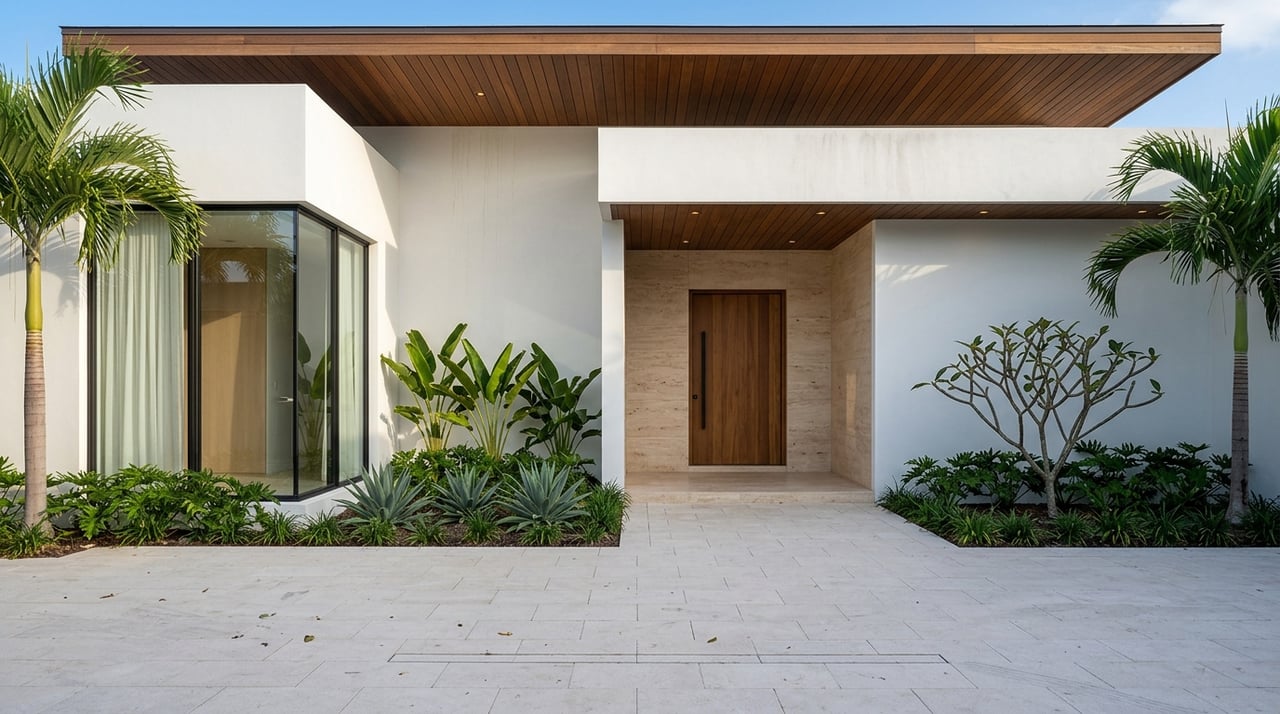
If you are drawn to Río Grande, you are probably weighing two very different versions of coastal living. On one side, you have resort communities with golf, beach access, and club-style amenities. On the other, you have traditional homes in the town core and barrios that offer a more independent day-to-day experience. This guide will help you compare both so you can choose the setting that fits how you actually want to live in Río Grande. Let’s dive in.
Why Río Grande Stands Out
Río Grande offers a rare combination in Puerto Rico: direct access to both the Atlantic coast and El Yunque. The municipality sits on the northeast coast, with the Sierra de Luquillo and El Yunque to the south and southeast, which gives the area a strong nature-centered identity.
That setting shapes daily life in a real way. The U.S. Forest Service notes that El Yunque is the only tropical rainforest in the National Forest System, and most recreation facilities are on Road 191 North in Río Grande. If you want a home base near both beach and rainforest, Río Grande makes that possible in a way few places do.
It is also a more varied market than many buyers expect. Río Grande covers about 60.7 square miles and includes nine official barrios or wards: Ciénaga Alta, Ciénaga Baja, Guzmán Abajo, Guzmán Arriba, Herreras, Jiménez, Mameyes II, Pueblo, and Zarzal. That mix matters because this is not one continuous resort corridor. It is a municipality with resort enclaves, coastal areas, inland residential sections, and a town center.
Resort Communities in Río Grande
For many buyers, resort living in Río Grande starts with lifestyle. These communities are designed around amenities, managed grounds, and a more curated environment. If you want a home where recreation, service, and shared facilities are built into the experience, this format may feel like the right fit.
Bahia Beach Lifestyle
Bahia Beach is one of the clearest examples of high-end resort living in Río Grande. Its official materials describe a 483-acre gated nature reserve with a two-mile crescent beach, a beachfront members' club, and an Audubon International Certified Sanctuary designation.
The residential mix includes options such as Las Verandas, Las Ventanas, Ocean Drive beachfront residences, and Atlantic Drive Estates. Current resale examples shown on the official site are in the multimillion-dollar range, which firmly places Bahia Beach in the ultra-luxury category.
Rio Mar Resort Setting
Wyndham Grand Rio Mar offers a different type of resort environment. The property is described as a 600-acre sanctuary between El Yunque National Forest and the Atlantic, with five pools, two miles of secluded beach, eleven restaurants, a cabaret, and spa experiences.
For you as a buyer, that points to a hotel-centered lifestyle with strong vacation appeal. The emphasis here is less on a conventional neighborhood layout and more on shared amenities, service, and a resort atmosphere.
Grand Reserve and Coco Beach
Grand Reserve and the broader Coco Beach area are especially relevant if you are drawn to a master-planned setting. Official materials describe the community as being about 30 minutes from the airport and part of a long-term plan that includes nearly 1,000 acres of natural preserve, luxury hotels, beach clubs, a marina, and a town center.
The residential offering also reflects a more low-density luxury format. MAREA Residences, for example, emphasizes beachfront living, only eight residences per building, two per floor, and private elevator access. The club features highlighted for the district include a beach club, sports center, and golf club.
Hyatt Grand Reserve Appeal
Hyatt Regency Grand Reserve adds another resort-branded option near the same Coco Beach area. Hyatt describes the property as being on a private peninsula near El Yunque National Forest and about 30 minutes from San Juan International Airport.
The setting is positioned around a quiet beach with calm, swimmable waters, plus a lagoon-style pool, spa, and Tom Kite 27-hole golf course. If you want a more turnkey environment with a recognizable resort identity, this kind of community can be especially appealing.
Traditional Homes in Río Grande
Not every buyer wants a managed resort environment. If you prefer more independence, a conventional house, or a setting that feels more rooted in the municipality’s everyday residential fabric, traditional homes may be the better match.
In Río Grande, that usually means looking beyond the resort compounds and into the barrio-and-town-core network. Areas such as Pueblo, Ciénaga Alta, Guzmán Abajo, Herreras, Jiménez, Mameyes II, and Zarzal represent the broader residential structure of the municipality.
These areas are more likely to offer a standard neighborhood feel rather than a club-driven lifestyle. In practical terms, you may find fewer on-site amenities and services, but more direct control over your property and day-to-day routines.
The broader housing profile supports this mixed-market picture. Census QuickFacts shows a 71.1% owner-occupied housing rate in Río Grande and a median owner-occupied value of $131,600. That tells you the municipality includes everyday residential housing alongside its much more expensive resort enclaves.
Key Tradeoffs to Compare
The right choice often comes down to how you want your home to function, not just how you want it to look. In Río Grande, buyers are usually comparing convenience, privacy, upkeep, and access to nature.
Amenities Versus Independence
Resort communities are built around shared amenities. Golf, pools, landscaped grounds, beach access, clubs, and hospitality-style features can make daily life feel easy and polished.
That convenience usually comes with more structure. Based on the amenity models published by these communities, buyers should expect more rules, more common-area upkeep, and likely higher recurring carrying costs than with a stand-alone home, even though published fee schedules were not provided in the research.
Traditional homes usually offer the opposite tradeoff. You get more autonomy and a more self-directed homeownership experience, but fewer built-in services.
Privacy Versus Activity
Resort communities can offer a strong sense of privacy within gated or controlled settings. At the same time, they also tend to bring more shared space, more visitor traffic, and more programmed activity because the lifestyle is centered on common amenities.
Traditional residential areas often feel less managed. That can mean fewer activity hubs and less structure around daily life, which many buyers see as a plus when they want a quieter, more independent rhythm.
Managed Grounds Versus Direct Control
In places like Bahia Beach, Rio Mar, Grand Reserve, and Hyatt Grand Reserve, the appeal often includes curated landscaping and community facilities. That creates a more serviced environment and can reduce some of the burdens of maintaining a lifestyle property on your own.
With a traditional home, you are usually taking on more direct responsibility for the house and land. For some buyers, that is exactly the point. More control can mean more flexibility in how you use and maintain the property.
Nature Access Is a Major Advantage
One of Río Grande’s biggest strengths is that this is not a choice between beach or mountain scenery. It is a place where both are part of the landscape. That has real value if you want your home to connect you to outdoor living.
The Forest Service identifies El Portal as the main visitor center for El Yunque and notes that most recreation facilities are on Road 191 North in Río Grande. Resort marketing for several local communities also consistently highlights the area’s position between the rainforest and the ocean.
If your priority is space, greenery, beach access, and a less urban environment, Río Grande stands apart. That is especially true when compared with denser markets where nature is more of a day trip than part of your immediate setting.
Why Río Grande Feels Different From San Juan and Dorado
If you are also comparing other Puerto Rico markets, Río Grande occupies a distinct middle ground. It is less urban than San Juan and less defined by an established suburban luxury identity than Dorado.
San Juan is much denser, with 7,147.1 people per square mile, a 52.8% owner-occupied rate, a median owner-occupied value of $171,200, and a mean travel time to work of 24.0 minutes. That profile aligns with a more urban, condo-driven market.
Dorado shows 1,552.1 people per square mile, a 78.8% owner-occupied rate, a median owner-occupied value of $169,900, and a mean travel time to work of 33.9 minutes. At the municipal level, it reads as more owner-occupied and more suburban than San Juan.
Río Grande is the least dense of the three at 776.3 people per square mile. Its owner-occupied rate of 71.1% and median owner-occupied value of $131,600 suggest a broader housing spectrum, with everyday homes on one end and luxury resort inventory on the other.
That spread is one of the most important things to understand before you buy. Municipal averages do not fully capture the difference between a traditional home in the broader residential network and a multimillion-dollar residence in a luxury resort enclave.
Risk and Due Diligence Matter
No matter which living format you prefer, due diligence is essential in Río Grande. The municipality’s hazard mitigation plan identifies sea level rise, drought, earthquakes, flooding, landslides, strong winds, tsunami, storm surge, coastal erosion, and wildfire as relevant hazards.
The same plan ranks earthquake and liquefaction risk, along with flooding, among the highest-classification risks. For you as a buyer, that makes property-specific review especially important.
If you are considering a coastal or low-lying property, pay close attention to construction details, drainage, elevation, and insurance. Those factors can matter whether you are buying inside a resort setting or in a more traditional residential area.
Which Option Fits You Best?
A resort community may be the better fit if you want a highly curated lifestyle, strong amenity access, and a home that feels closely tied to golf, beach clubs, hospitality, or shared services. This path often appeals to second-home buyers, luxury buyers, and those who want a more turnkey experience.
A traditional home may be the better fit if you want more independence, a more conventional neighborhood setting, and greater day-to-day control over the property. This option can also make sense if your lifestyle is less focused on shared amenities and more focused on the home itself.
The best choice is usually the one that matches your rhythm. In Río Grande, both formats exist within the same municipality, which gives you unusual flexibility as a buyer.
If you are weighing resort living against a traditional home in Río Grande, a local advisor can help you compare not just listings, but the day-to-day reality behind each option. Explore available opportunities and connect with the team at Corcoran Puerto Rico - Main Site.
FAQs
What is the difference between resort communities and traditional homes in Río Grande?
- Resort communities in Río Grande focus on shared amenities, managed grounds, and a more curated lifestyle, while traditional homes are typically located in the municipality’s barrios or town core and offer a more independent residential experience.
What resort communities are located in Río Grande, Puerto Rico?
- Based on the research provided, key resort-oriented options in Río Grande include Bahia Beach, Wyndham Grand Rio Mar, Grand Reserve and Coco Beach, and Hyatt Regency Grand Reserve.
Are traditional residential areas available outside Río Grande resort zones?
- Yes. Río Grande includes nine official barrios or wards, including Pueblo, Ciénaga Alta, Ciénaga Baja, Guzmán Abajo, Guzmán Arriba, Herreras, Jiménez, Mameyes II, and Zarzal, which reflect the municipality’s broader residential network beyond resort enclaves.
Is Río Grande more affordable than San Juan or Dorado at the municipal level?
- Census QuickFacts in the research report shows Río Grande with a median owner-occupied value of $131,600, compared with $171,200 in San Juan and $169,900 in Dorado, though local resort enclaves in Río Grande can be far above the municipal median.
What natural hazards should buyers consider in Río Grande, Puerto Rico?
- Río Grande’s municipal hazard plan identifies flooding, earthquakes, liquefaction, sea level rise, landslides, strong winds, tsunami, storm surge, coastal erosion, drought, and wildfire as relevant hazards, making property-specific due diligence important.
Why do buyers choose Río Grande over San Juan or Dorado?
- Buyers often choose Río Grande for its lower-density setting and its unusual access to both the Atlantic coast and El Yunque, which creates a distinct beach-and-rainforest lifestyle within one municipality.